Understanding Jueteng: A Social and Cultural Phenomenon in the Philippines
Jueteng is more than just a lottery game; it is a complex battleground of legality, culture, and economics in the Philippines. Despite the repeated efforts of authorities to eradicate the game, jueteng has remained prevalent and even deeply ingrained in certain communities.
The Origins and Mechanics of Jueteng
Popular in various parts of the Philippines, jueteng traces its roots back to the Spanish colonial era. As the name suggests, this numbers game has its foundations in Spanish influences, transforming over time to fit local contexts. The game is straightforward: players choose two numbers ranging from 1 to 37. The local draw is conducted and payouts are made based on the bets placed. Its straightforward nature makes it appealing to a wide audience.
PhwinOrganizational Structure of Jueteng Operations
The operational structure of jueteng integrates various roles including the cobradors (bet collectors), peryantes (the financiers), and a kabo (the supervisor). The structure's efficiency has not only allowed jueteng to survive raids and crackdowns but also to thrive in adverse legal climates. The system’s layered nature acts as a shield, making it difficult for authorities to dismantle operations.
Cultural Acceptance and Resistance
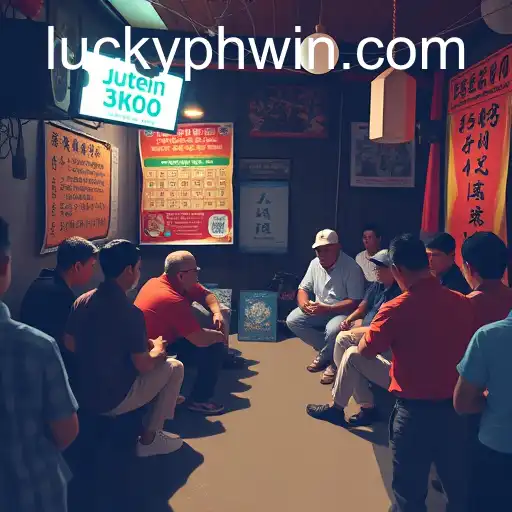
Given its historical prevalence, jueteng has seeped into the cultural fabric of many Filipino communities. The game offers a sense of hope and financial relief, however fleeting, to individuals facing economic hardships. It also fosters a sense of community involvement, turning draws into communal events. While this cultural acceptance does not extend to official sanction, it provides jueteng a unique place in Filipino society.
Cultural Roots and Economic Pressures
The interplay between cultural roots and economic pressure fuels the perpetuation of jueteng. The same economic difficulties that drive participation also enable the game to function as an informal micro-economy in itself. From providing income to cobradors to fuelling local businesses, the impact of jueteng cannot be overstated, albeit being largely informal and undocumented.
Legal Battleground: Jueteng vs. the State
Philippine laws class jueteng as illegal gambling, resulting in a continuous tug-of-war between operators and law enforcers. Despite numerous high-profile crackdowns and reforms, enforcement remains inconsistent, often hampered by corruption and lack of resources.
Issues in Enforcement and Alternatives
The challenges in enforcement are multifaceted, stemming from legal complications and systemic corruption. The difficulty lies not only in dismantling the operation but also in providing alternative sources of livelihood to those dependent on the game. This creates a cyclical dilemma where eliminating jueteng without offering viable economic alternatives only fuels its resurgence.
Phwin: The Modern Rival and Opportunity
PH35The emergence of online gambling, highlighted by platforms like Phwin, presents both a threat and opportunity in the gambling landscape. It presents a legal, technologically-driven alternative that can provide the structure lacking in jueteng operations, yet raises questions about accessibility, equity, and regulation.
Navigating the Shift to Digital
Phwin's introduction into the gambling scene reflects a shift towards digital gaming experiences. Its structured legality offers gamblers a safer, more regulated environment than jueteng. However, this transition is not without pitfalls, with digital divides limiting access and unforeseen regulatory challenges emerging.
wj2The Socio-Economic Impact of Jueteng
Jueteng's socio-economic impact cannot be ignored. It represents a source of income for a multitude of participants at every operational level. Yet the informal nature of this economy lacks stability, regulation, and integration into broader societal growth strategies.hawkplay
A Balancing Act
The challenge lies in addressing the economic void jueteng fills. By understanding its role within the community, legal frameworks can evolve to either integrate such activities or offer sustainable alternatives. Phwin and similar platforms can offer frameworks, but must balance accessible growth with regulatory compliance.
pesomaxConclusion and Future Outlook
The future of jueteng in the Philippines lies at a crossroad of reform, cultural acceptance, and technological innovation. Understanding its complexities allows stakeholders to build a framework that acknowledges both its potential benefits and its costs. The rise of digital platforms like Phwin provides a new lens through which to examine and possibly reform gambling in the Philippines, blending tradition with innovation as [the country](www.phwin.com) looks to the future.